As I wrap up my time with Neptune, I thought I'd leave you with something more entertaining than an out-of-office message.
This isn't documentation. It's not a design review.
It's pure, unfiltered trivia from the early (and chaotic) days of our beloved graph engine.
Random Trivia Nobody Asked For (But You're Getting Anyway)
You'd think my Amazon journey started with code. Technically, it started with scissors and tape.
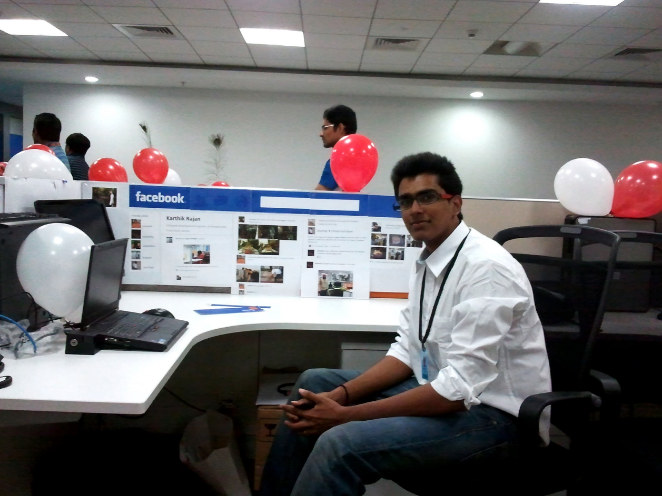
It was 2011. I had just joined Amazon, wide-eyed and under-caffeinated. A few weeks in, someone floated the idea of a “Desk Decoration Contest.” Naturally, I took it way too seriously.
My theme? “The Facebook Wall” - back when people still used Facebook walls.
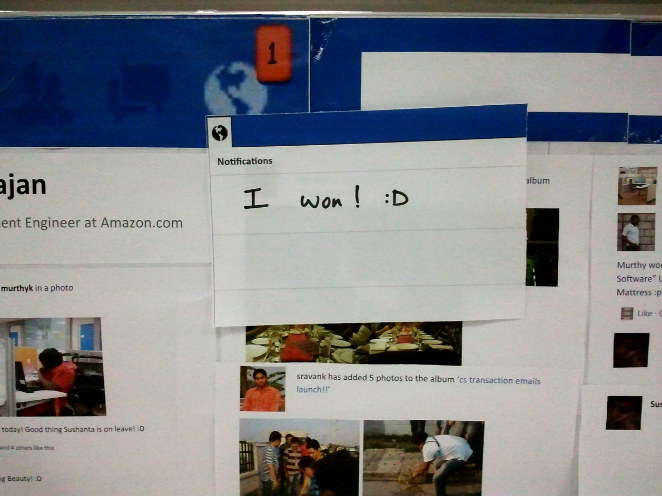
My teammates were listed as “Friends” on profile sidebars. Team launches and updates became part of the “News Feed.” Even had random fun posts and “likes” from my imaginary social graph.
Yes, it was lame. But I won. No prizes. No trophies. Just eternal bragging rights and a slightly confused director who walked by and asked if this was a new internal tool.
Anyway - that was the beginning of my Amazon journey. Fast-forward a few years, and I'd go from decorating desks to helping build a full-blown graph database. Funny how these things work out.
Episode I: The Phantom Gremlin
Once upon a December 2015, Divij - yes, our OG Gremlin Guy - told me about this mysterious, secret Amazon team building a graph database.
“It's not listed anywhere in JobFinder,” he said. “But trust me - it's real.”
Naturally, I was intrigued. He connected me to Omer Zaki, and a few emails later, I was in.
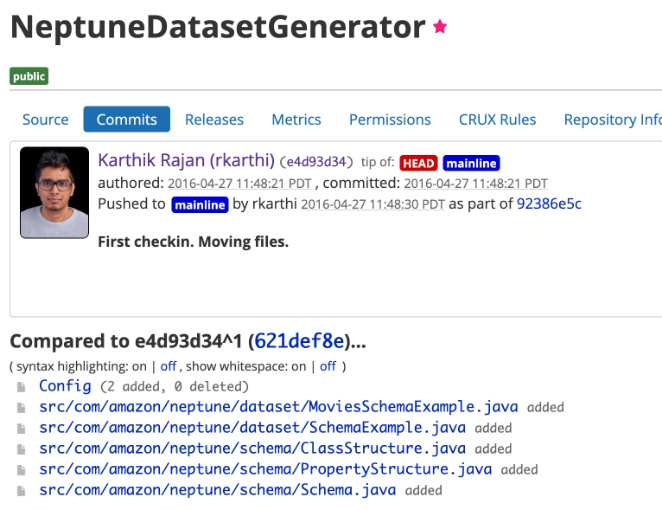
Fun fact: I technically joined before Divij, so I get bragging rights as the guy who wrote the first line of code for Neptune. But let's be fair - Divij was the first official offer. So let's call it even.
How We Got the Name "Neptune"
Ah, the naming mythology. There are a few versions, but here's the correct one - aka the one I was there for.
Back in the day, there was this open-source graph DB called Titan. It supported multiple storage backends - Cassandra, local files, and yes, even a custom DynamoDB backend written by a DDB SDE in their spare time.
In my early days, I was wrangling Titan artifacts, fixing bugs, and stitching it all together. Then someone went, “Hey, let's pick a codename.”
Enter Roman mythology
- ·Titans ruled the old world.
- ·The Olympians, including Neptune, overthrew them.
- ·Neptune didn't fight in the war - but he inherited the world.
That codename eventually made it to Andy's desk and became the final product name. (Though rumor has it Omer just liked military planes, and “Neptune” is one of them. You pick your favorite version.)
That One Time I Gave a Terrible Talk
Sainath and AK joined as #3 and #4. I first met them in March 2016, during what was meant to be a deep-dive tech talk on possible storage layouts for graph data.
I had spent weeks researching storage models, indexing strategies, adjacency representations, and compression formats. I was ready to deliver a cutting-edge session.
It was not great. Okay, it was awful. Easily the worst presentation of my Amazon career.
They hadn't officially joined yet - this was just a pre-onboarding “get to know the mess you're joining” kind of thing.
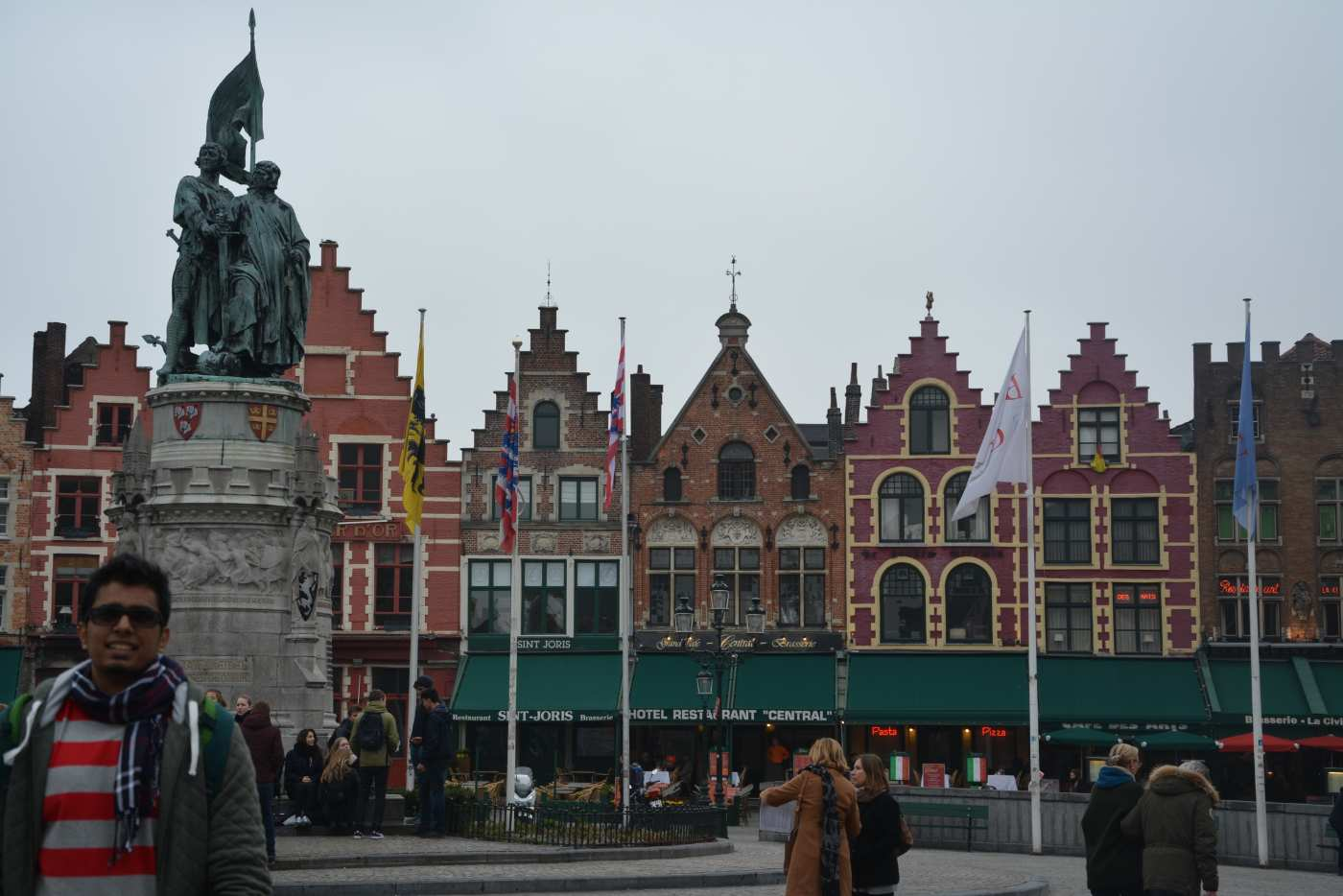
A few days later, I went off on a month-long solo backpacking trip across Europe. In Brussels, I passed someone on the street and thought, “Huh. That face looks familiar.”
Weeks later, it hit me: I had casually walked past AK. Small world.
The Blazegraph Merge: Legends Assembled (August 2016)
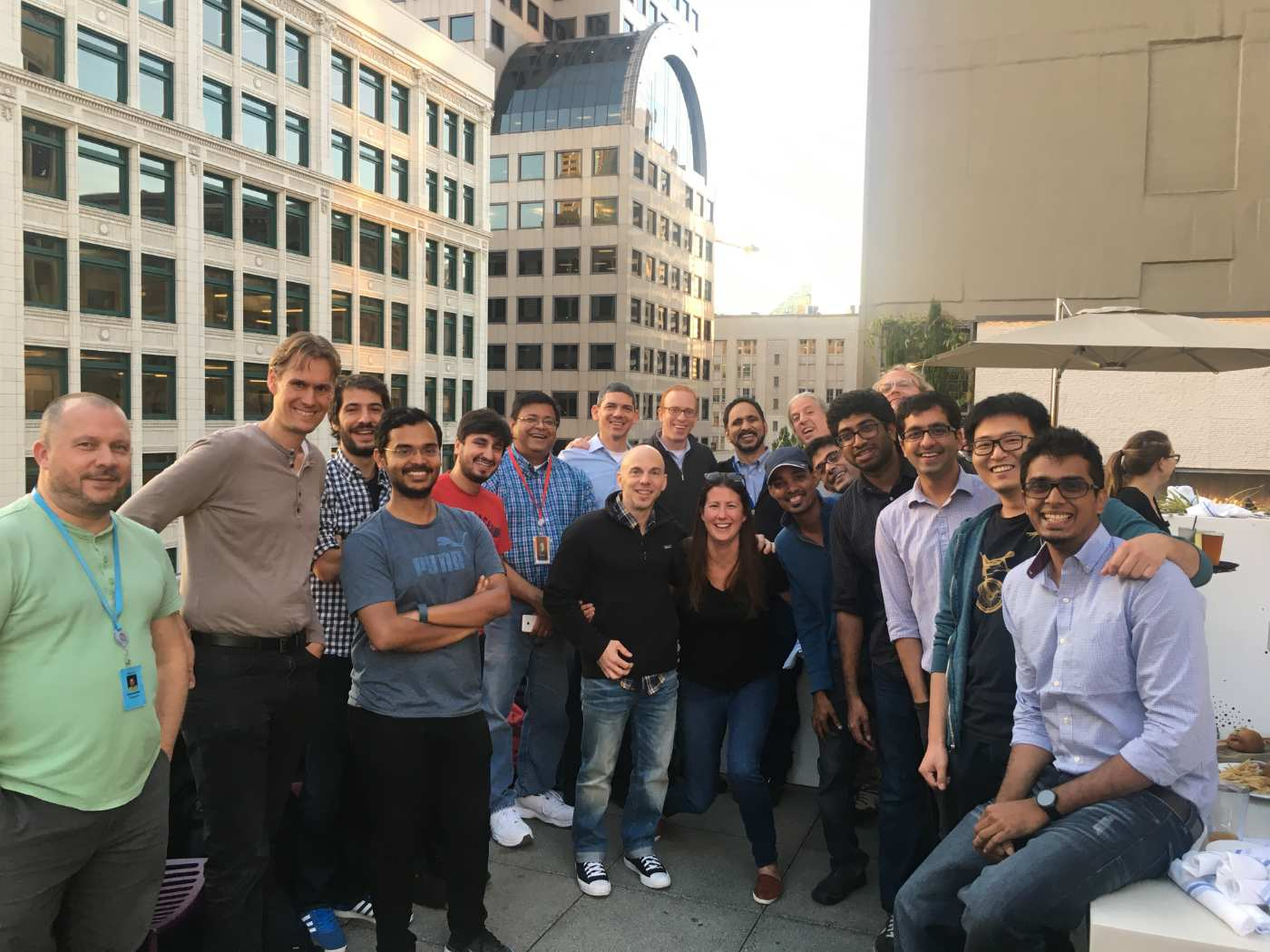
I wasn't in the loop on the Blazegraph acquisition. So imagine my surprise when Brad, Bryan, Alex, and the rest just showed up one day.
No warning. Just boom - new teammates.
Brad, by the way, was a magician. He took all those Blazegraph packages and made them work with Brazil. I still haven't met anyone who understands Amazon's build system better than him.
When the Control Plane Lived on My Devbox
At one point, Neptune was running on a control plane forked from RDS.
Hundreds of packages. Everything wired together like a mad science experiment.
All services running from my devbox. I wish I were exaggerating.
The re:Invent Moment
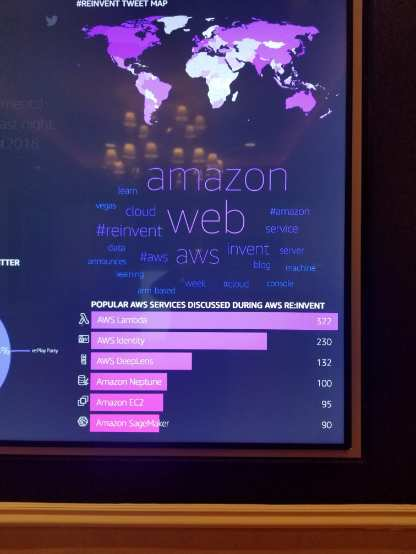
During Neptune's big launch at re:Invent 2017, there was a poll: “Which announcement are you most excited about?”
Neptune was in the top 5. We were the hype drop of the year.
Graphing the Org: One Hop at a Time
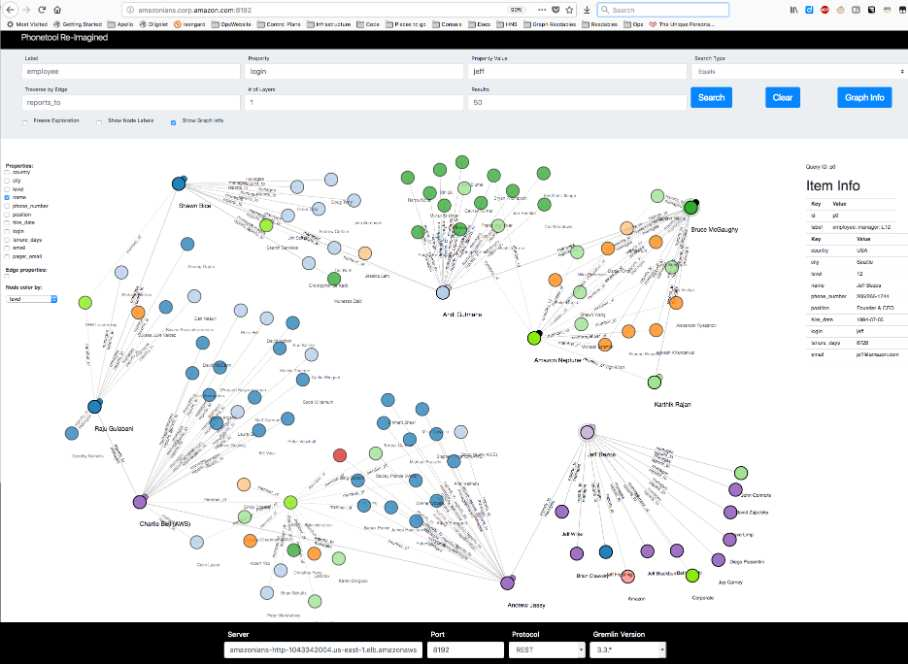
At some point in the early Neptune days - before IAM auth was even a twinkle in our backlog - I built my very first app using our graph engine.
I called it Amazonians Website - a modest name for what was essentially “Phonetool Done Right.”
Every person became a node. Org chains, dotted lines, bar-raisers, mentors - all modeled as edges, traversed via Gremlin queries.
The result? Gloriously overengineered. Secure-ish. And absolutely addictive.
Old-Fart Status: Unlocked
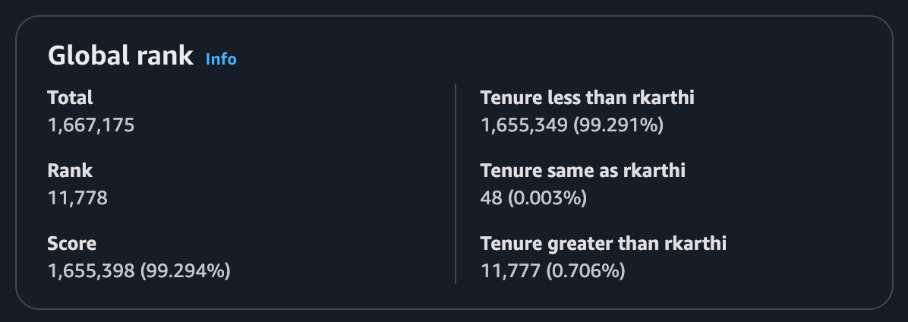
I spent a few years up in Vancouver, BC - home of scenic views, polite escalator etiquette, and surprisingly few Amazonians at the time.
There was an internal dashboard that tracked how long you'd been around relative to others in the region. Turns out, I had a rare badge of honor: an “old-fart rank” of under 100. That meant fewer than 100 people in all of Canada had joined Amazon before me and were still hanging around.
I checked it again recently - and the rank is still proudly holding up.
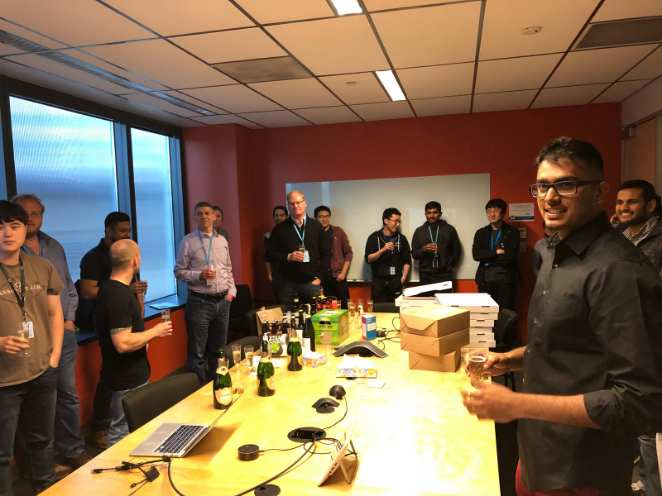
Photos, Or It Didn't Happen
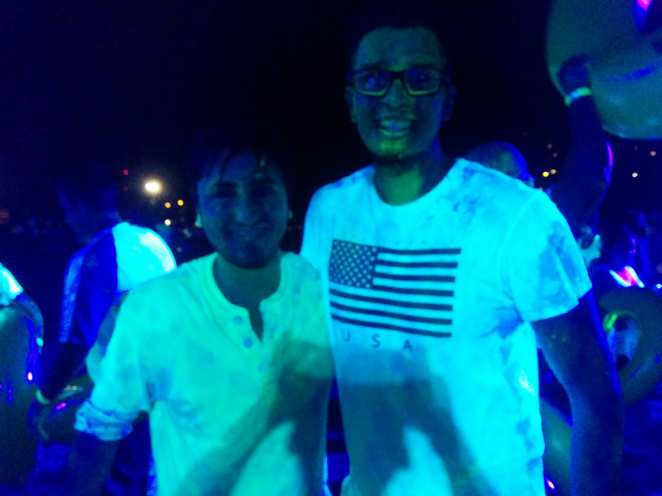
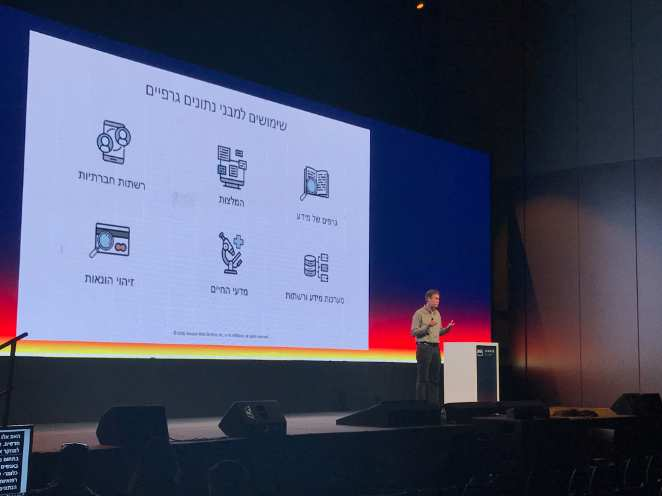
A few to trigger nostalgia, and possibly HR reviews.
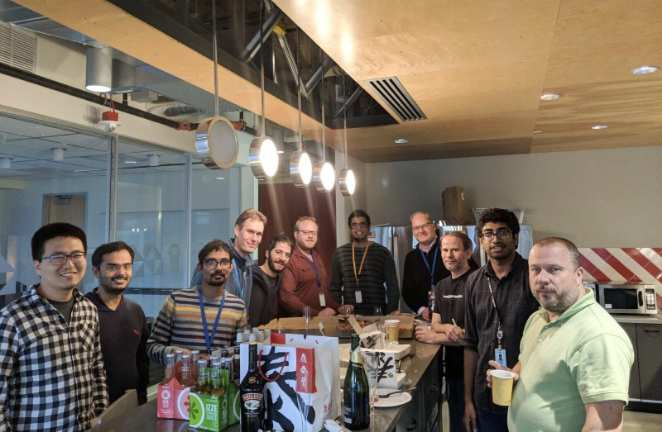

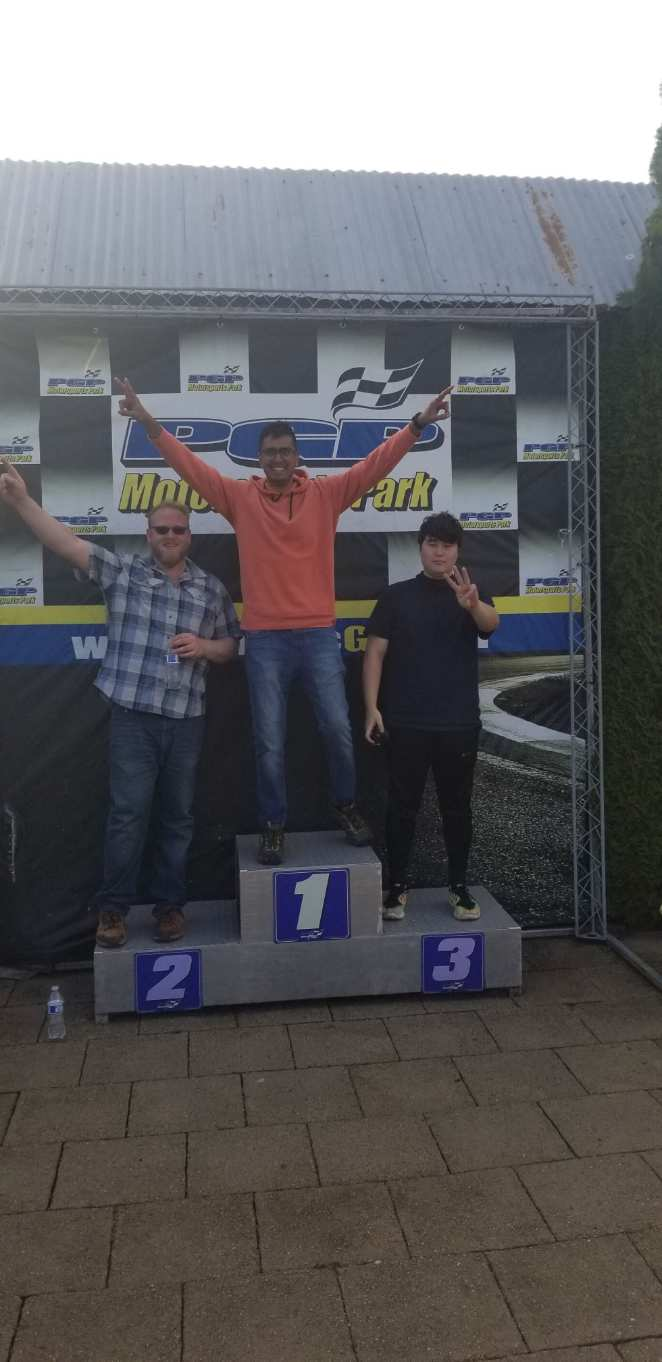
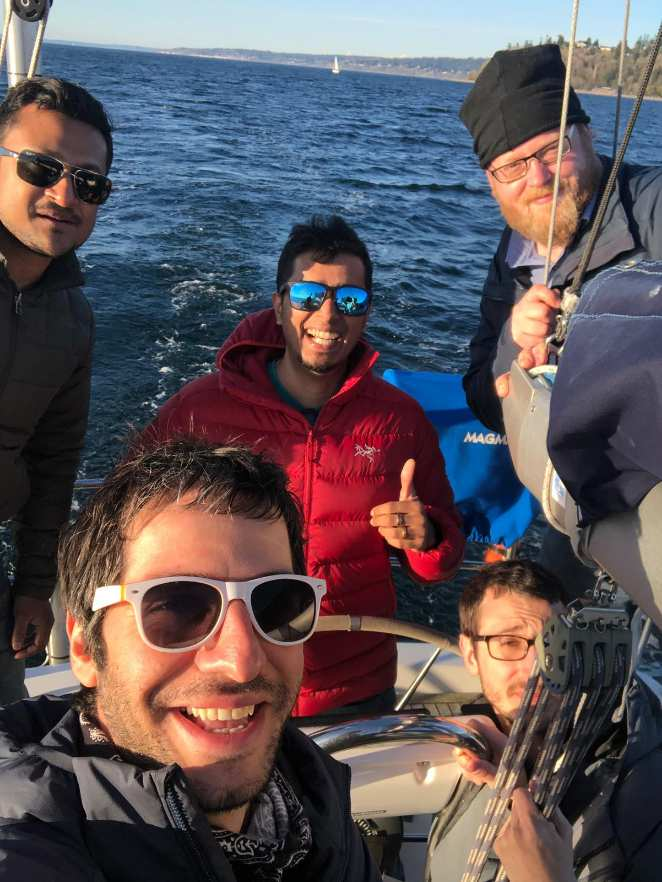
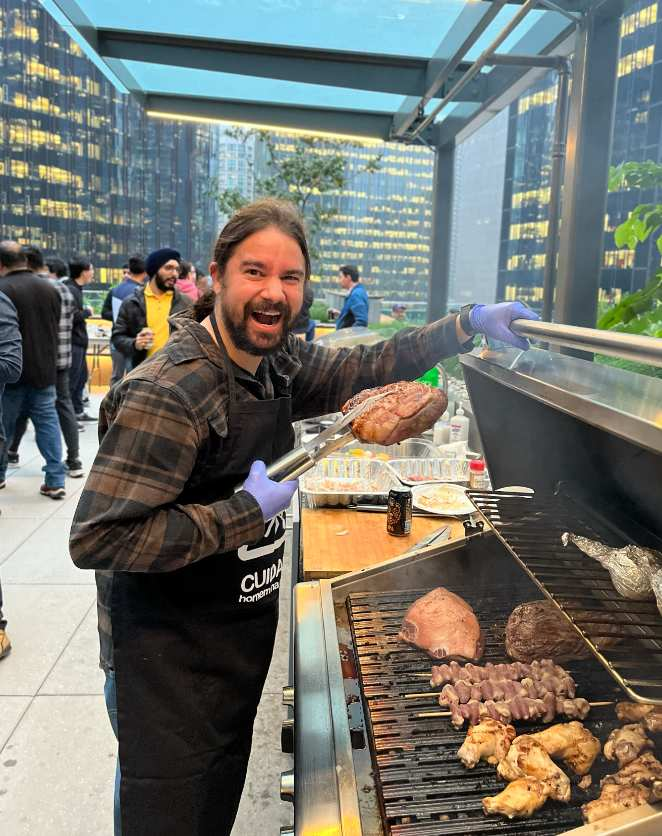
And that's a wrap. It's been a wild, hilarious, occasionally confusing ride - and I wouldn't trade it for anything.
What I'll miss most? The people. The inside jokes. The “this-could've-been-an-email” meetings. The group chats that went from deep dives to lunch polls in under 3 messages.
Let's definitely find an excuse to work together again - whether it's building something new, reviving old ideas, or just pretending to be productive over coffee.
Don't be a stranger. I'll see you out there.
- Karthik
(BigK, K1, KR)